Ongoing voluntary survey highlights the diverse identities of people in leadership roles
“See what love the Creator has given us, that we should be called children of God; and that is what we are” (1 John 3:1)
The United Church of Canada continues to reaffirm its commitments to equity and anti-oppression. The church’s commitments to equity help us glimpse the Kin-dom of God, where all are welcome at the table (Luke 14:12–14) and are honoured and created in God’s image.
The church’s continued equity commitments are at a time when broader conversations around diversity, equity and inclusion (DEI) have been under attack. As corporations and other institutions cancel their DEI initiatives, or scale them back dramatically, it is becoming clear that engaged work in church and society on equity and diversity is essential.
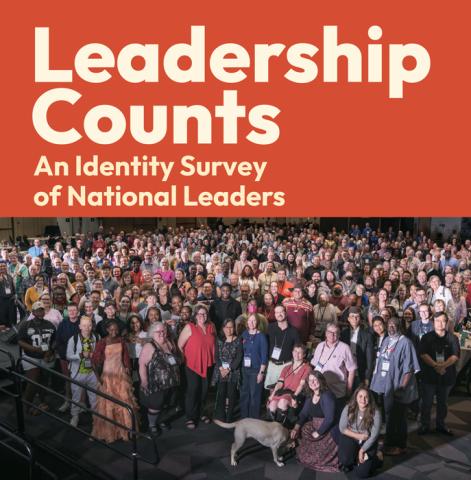
In this context, the end-of-term Leadership Counts report is now available. Leadership Counts is an ongoing voluntary identity survey for ministry personnel and members of denominational committees based on our equity commitments. Designed to inform the United Church’s strategic plan and anti-oppression work, it reveals the diverse identities of people in leadership roles. This data can help the church consider how it can meet its equity commitments more effectively.
Since the mid-term report was released in 2023, the Leadership Counts staff team held conversations with several groups, gaining insight from data specific to those groups. The report compares identity data from the Leadership Counts surveys and the 2021 Canadian Census. For example, 41 percent of committee members hold one or more equity identities. For ministry personnel respondents, 46 percent identify as women (cis and trans), 39 percent identify as men (cis and trans), and 2 percent identify as non-binary or gender-queer (no data is available for the remaining 12 percent).
Other highlights include:
- Denominational committees show high diversity rates—higher than that among ministers and the church population in all equity areas, except two: young adults and people with disabilities.
- 50 percent of racialized ministry personnel respondents serve in urban communities of faith.
- 55 percent of ministry personnel respondents in Conseil régional Nakonha:ka Regional Council identify as francophone or active in French ministries.
- 9 percent of ministry personnel have a primary language other than English or French; for the first time, primary languages now include Mohawk and Cree.
- 31 percent of ministry personnel candidate respondents identified as 2S and LGBTQIA+.
Data and stories from Leadership Counts inform strategic activities in the church, including:
- Total Compensation Review for ministry personnel
- Toward 2035
- Committee recruitment and communications
- Equity, diversity, and anti-oppression education and ongoing work
- Support for General Council and its committees
- Growth and Invigorating Leadership strategic teams
Background
In November 2021, the United Church launched Leadership Counts, a voluntary identity survey for ministry personnel and members of national committees. The survey focused on seven specific identities that are a part of the church’s commitments to equity and dismantling barriers to full participation.
Respondents were invited to share more about how they would name themselves as people in relation to the following identities:
- Indigenous
- Racialized
- Francophone or participating in French ministries
- Speakers of a primary language that is neither English nor French
- Two Spirit and LGBTQIA+
- Young adult (age 30 and younger)
- Disabled/living with disabilities
People of all identities were invited to respond to the survey, which offered respondents the opportunity to share more information on how they view themselves—how they name their cultures, their languages, their racial identities, their genders, their orientations, and their disabilities.
Read more about Leadership Counts, or download the full end-of-term report, found at the end of this page. The Leadership Counts report is also available in French.
Downloads
- Leadership Counts End-of-Term Report (November 2025) (1.96 MB) (PDF)