
Canada should increase aid to Cuba and work with other countries to ease impact of US sanctions
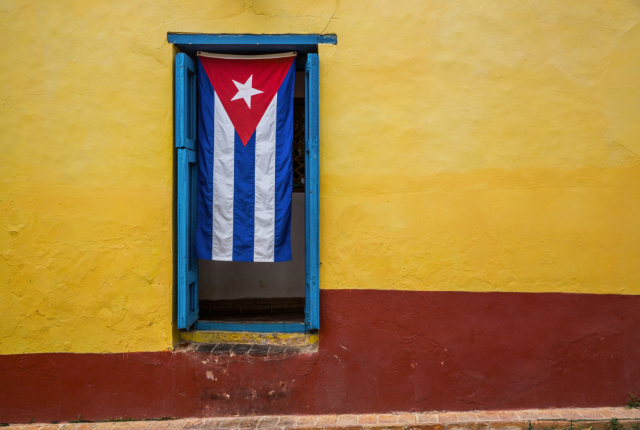
Cuba is facing a deepening humanitarian situation as the US blockade on oil to the country severely affects the delivery of humanitarian assistance and makes daily life for Cubans increasingly difficult. Access to essential goods, electricity, medicines, and livelihoods remains severely affected, disproportionately impacting vulnerable populations. The Trump administration issued an executive order that enacts on the people of Cuba "a new tariff system that allows the United States to impose additional tariffs on imports from any country that directly or indirectly provides oil to Cuba."
The United Church of Canada issued a statement of solidarity with the Cuban people. The church requests an urgent response through prayer and action with Cuban Mission and Service partners and the people of Cuba, who face multiple and deepening crises.
Please also sign this petition spearheaded by the Canadian Network on Cuba. (NOTE: To complete the process of signing the petition, you must take the additional step to click on the link sent directly to your email address. Encourage others in your networks to also please sign the petition.)
For other solidarity actions you can take, visit the Common Frontiers website.
Statement of Solidarity with the People of Cuba
“But let justice roll down like waters, and your righteousness like an ever-flowing stream.”
(Amos 5:24)
The United Church of Canada expresses its unwavering solidarity with Cuban Mission and Service partners and the people of Cuba. At a time of deepening interconnected crises, the United Church condemns the recent executive order issued by the Trump administration, which declares a national emergency and establishes a process to impose tariffs on goods from countries that sell or otherwise provide oil to Cuba. This threatens the right to life and the wellbeing of Cubans.
“We stand with partners and the people of Cuba, who are calling for respect for sovereignty, justice, and an immediate end to the US blockade of Cuba,” says Acting General Secretary, Rev. Cheryl-Ann Stadelbauer-Sampa. “The abuse of economic and political power by the Trump administration seeking regime change by imposing even more hardship on Cubans must be denounced by Canada and the international community.”
Cubans have survived more than 65 years of punishing blockades, attempted coups, and economic isolation. Cuban partner organizations and recent visitors say conditions in Cuba today are much more difficult than in the early 1990s, when the implosion of the Soviet Union led to a massive deterioration in living standards. The COVID pandemic shuttered the tourism industry, a main source of revenue used to acquire food, medicines, and fuel from abroad. Cuba has also suffered a series of hurricanes, droughts, and floods, leading to lost crops and food shortages. Energy shortages limit public transit and even the collection of garbage. Punitive US measures under Biden have worsened now under Trump, reversing the many gains delivered when the Obama administration eased such measures.
The return of Trump in 2025, and subsequent appointment of Marco Rubio as US Secretary of State, who is a vocal proponent of increased sanctions on Cuba, has meant additional pressure. US measures not only restrict US citizens and businesses from providing support to the Cuban people. They also interfere with the delivery of humanitarian aid by other countries, because banks limit transactions, suppliers face risks of US retaliation, and shipping freight becomes more complicated and costly.
We reiterate the call on Canada to take an immediate and principled stance: increase humanitarian assistance to Cuba now.
Canada must also unequivocally uphold respect for sovereignty and self-determination, or risk endangering its own. Any failure to stand up to the dictates of the current US administration will only worsen regional and global tensions, and lead to greater abuse because of American economic and military domination.
Through direct diplomacy, Canada should actively work towards lifting the US-led blockade against Cuba. Canada should use its constructive engagement with Cuba as a model for diplomatic action for peace elsewhere, challenging US extraterritoriality and US-enforced unilateral measures that are among the means the American government uses for political and economic coercion and regime change.