
With laws for citizenship claims based on Canadian ancestry loosened, United Church archivists are fielding more research requests than ever
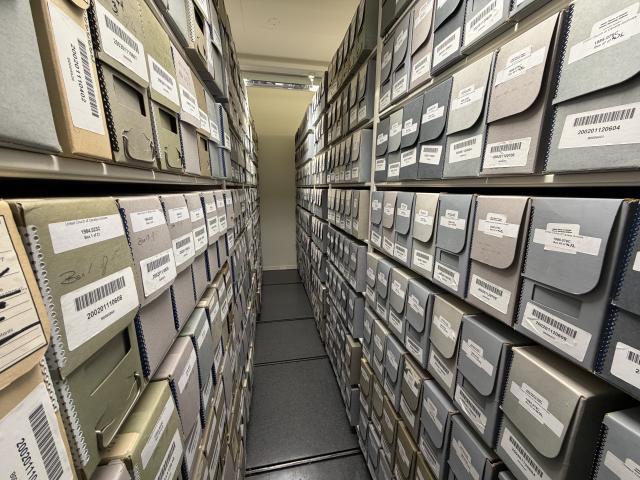
With newly loosened laws for citizenship claims based on Canadian ancestry, United Church archivists are fielding more requests for historical documents than ever
United Church of Canada archivists were in the news this week, as changes to Canadian citizenship laws have given Americans and others new incentive to identify Canadian ancestry. Interviewed in a front-page article in the Toronto Star, available to read online, was Kyle Pugh, archivist for the United Church Ontario Regional Councils Archives in Toronto.
As with many others across Canada, the archive has seen a significant uptick in requests for documents proving a searcher’s ancestor was Canadian, including baptismal or marriage records. This comes following changes to Canada’s Citizenship Act last December, allowing foreign nationals to claim citizenship by descent more easily, including if a Canadian ancestor lived generations ago.
Requests for genealogy searches at the archive have quadrupled since January, with most coming from Americans. As the Star reports, these changes could open the door to an estimated 115,000 new Canadians over five years.
“People are very upfront about why they're interested in getting citizenship,” Pugh told the Star. “Usually it's because of—I mean, my favourite term was `the post-capitalist fascist hellscape'... There's like a deep longing, a just-in-case that I can get out of here if something really bad happens.”
“Honestly, there isn't a particular state that we hear from more,” said Pugh. “Red states. Blue states. There are people from all 50 states at this point, except Hawaii.”
Pugh noted the complexities presented by these searches, which are often initiated with little identifying information about the ancestors in question. Complicating research further are inconsistencies in name spellings over time, as well as church amalgamations and other major events throughout the two centuries of history maintained in these archives. Nevertheless, the archive has still been able to succeed in issuing certified documents for about 20 percent of requests, according to Pugh.
Despite these legal changes widening the net of eligibility for Canadian citizenship, the federal government has also taken recent measures to close Canada’s doors to those most in need of protection. Bill C-12, which became law in March, has denied access to hearings for refugee claimants, including families with young children, who now face deportation to countries where they may be at risk of violence or persecution. Act now by raising your voice to your Member of Parliament and within your communities about the issue.