
One rural community minister’s novel approach to establishing a new youth ministry, and the lessons learned in the process
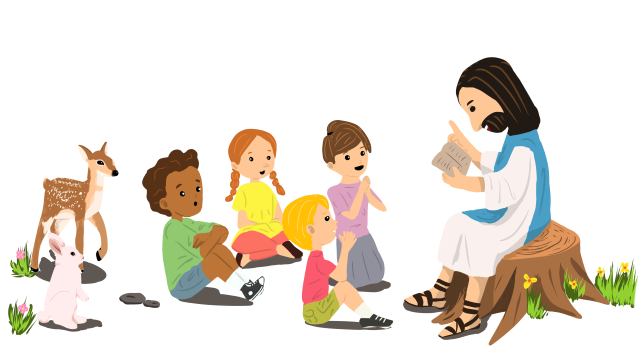
I believed something entirely new was needed for our community of faith. Something dynamic and exciting, that would transform our community and also give us a reason to enthusiastically advertise and announce a new program.
I created a children’s service using Spark House’s Spark Lectionary Sunday School Program and modified it for a worship service. Children aged 2 to 12 would find age-appropriate material. It was ideal for a ¾ time minister who leads worship every Sunday, because it required little prep time: there was no reflection, and I followed the lectionary for our Sunday worship services, so no additional research was needed for the scripture readings.
It offered several advantages. People would accept lower attendance numbers at the main service, and none would have preconceived expectations on what the new program should include. We took out ads in the weekly paper, advertised on social media and the community calendar, and plastered posters in busy areas.
How would you create a worship experience while maintaining the enjoyment of Sunday School? Musical toy instruments! Children were invited to play during songs, and they contributed their talents to the service. My intention was to introduce children to worship, so they would naturally migrate to the Sunday service as they grew older.
A new prayer was introduced each week, and I explained its purpose. The ones I found most enjoyable were the prayers of the people, because children say the most unexpected things. I asked the children to call out anything they wished to pray for. Be forewarned! Set guidelines or be prepared to hear family secrets.
As for the lesson, we’d start with a story from the Spark Story Bible: Sunday School Edition. Instead of teaching the children, we asked what their thoughts were. What was the story saying? What was their understanding?
Crafts were brought out for the children, and the lesson continued by reading the scripture passage relevant to the story. I included this for the older youth and adults, so they would get something from the service. It was my hope to create an interest or a thirst for scripture, so people would be drawn to the Sunday services when they grew older.
It was treated like a Bible study; I explained how the Spirit inspires people with ideas and asked to hear what people thought the passages were saying. To my utter delight, the children lost interest in their crafts and participated in the conversation. It was a joyous experience, and few adults would question the claim of God speaking through children.
The night was filled with laughter, and one mother left with words of praise about the service. Her daughter and a buddy from their hockey team agreed wither, and we expected to see more children, maybe the team. That did not happen, and I soon realized why that was.
The service had tremendous potential, but mistakes were made. The largest had to do with concerns about safety. When hosting a children’s program, it’s imperative that we create a safe environment. How can we do that when we’re unable to control who attends? When elderly individuals arrived, I asked if they were aware this service was designed for children. I received the response, “It’s a family service, meant for all.”
I couldn’t argue, so I said nothing further. The individuals were in their seventies, and they did not have an easy life. This was made clear during fellowship, as they freely regaled us with stories. I believe they came for the freely offered food, but that’s an assumption. Soon, others would follow. The children never returned.
The ministry developed into something I had not anticipated, and I believe the Spirit was leading us to do something for those experiencing food insecurity. For this reason, I began supplying more nutritious food options. It wasn’t a charity, as people came as equals to study scripture. This program ended, however, after another church adopted a similar idea and provided better food.
Here are a few things I learned from the process…
- I would change the name to identify it as a children’s event. I would also specify that adults accompanied by children are welcome to attend. Libraries have similar warnings for events to limit attendance.
- The service would not fall on a Friday, because Saturday sports games for kids meant travel and hotel accommodations those nights.
- Those who attended came because Grandma suggested it. Word of mouth had a larger impact than our ads.
- On a related note, community support and enthusiasm is essential. I should’ve spent more time hyping the program to our community than I did trying to attract those from outside.
I believe this worship service has potential, and I intend to try again in the future. If you attempt one yourself, please let us know about your results. I’d like to hear what you did. Your success may inspire others.
As a new minister, I’ve seen that great ideas are often accompanied by even larger lessons. This story is no different, but I believe this idea has potential and offers a means to reach children when all hope seems lost. The greater the impossibility, the stronger is my desire to tackle it.
—Rev. Carrie Symondson, MDiv was ordained in 2024 and is minister at Hanna First United in Hanna, Alberta, a rural community of approximately 2,400.
The views contained within these blogs are personal and do not necessarily reflect those of The United Church of Canada.