Unprecedented since 1983, the new feast marks a historic milestone in Christian ecumenism and attention to Creation
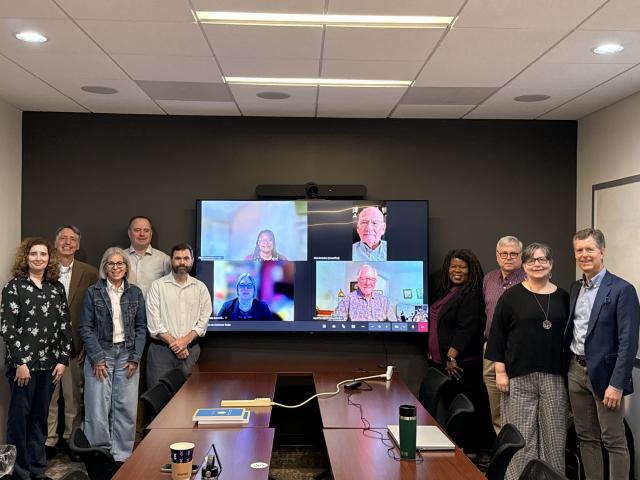
At the 2026 annual meeting of the Consultation on Common Texts (CCT), held April 20–21 at the headquarters of the Cooperative Baptist Fellowship in Decatur, Georgia, an ecumenical working group’s vision came to fruition of a new festival celebrating God’s role in Creation in the church calendar. The feast, which would be added to the Revised Common Lectionary (RCL), is the fruit of an ecumenical process convened by the World Council of Churches (WCC), the Middle East Council of Churches (MECC), and various Christian world communions in recent years.
The United Church of Canada are active members on the CCT; Rev. Dr. Alydia Smith, Identity and Mission Network Coordinator, is secretary for the CCT, and attended the meeting online. The subcommittee that developed the proposal included The Rev. Dr. Cheryl Lindsay from The United Church of Christ, who are full communion partners of our denomination.
“It is truly historic, and an encouraging sign of ecumenism that we could come together as a global church to challenge each other on how we mark Creation and Creation care theologically and liturgically,” Smith says. “It is beautiful to witness how many grassroots and community-led initiatives have fed this global movement that we are now a part of.”
The new annual Festival of Creation in Christ (or the Feast of Creation) would be held September 1, or the Sunday following September 1, and is resourced with a proposed trial three-year rotation of lessons (for 2026–2028).
There are three steps in the adoption of new texts or calendar observances. The first is trial use; following this, the CCT proposes a text for adoption by member churches. Thirdly, individual denominational bodies add the text to their liturgical calendars and official lectionaries.
“I pray that this work will help us deepen our love for God, the Creator, and their good creation,” Smith says.
Symbolism
Since the eighth century, September 1 has been a liturgical feast for the Eastern Orthodox church. Given its ancient symbolism as the day marking God’s creation of the world, in view of the global ecological crisis, the Eastern Orthodox church in 1989 invited “the entire Christian world” to celebrate this observance together. Since then, Ecumenical Patriarch Bartholomew has been a vocal advocate of the annual celebration of the Feast of Creation, or “Creation Day” as it is also known. The WCC and many churches have already adopted the day of prayer.
The CCT consultation also made editorial changes in the alternative texts for Holy Week, Easter Season, and early Pentecost.
For resources tied to the Feast of Creation, stay tuned to our Worship Resources page.